
Expert Chiropractic & Non-Surgical Pain Management • Tracy, CA & the Central Valley

Expert Chiropractic & Non-Surgical Pain Management • Tracy, CA & the Central Valley

Home › Services › Cupping Therapy

Cupping Therapy in Tracy, CA

An ancient technique with a straightforward purpose: draw blood into tight, overworked tissue so it can finally release and heal.

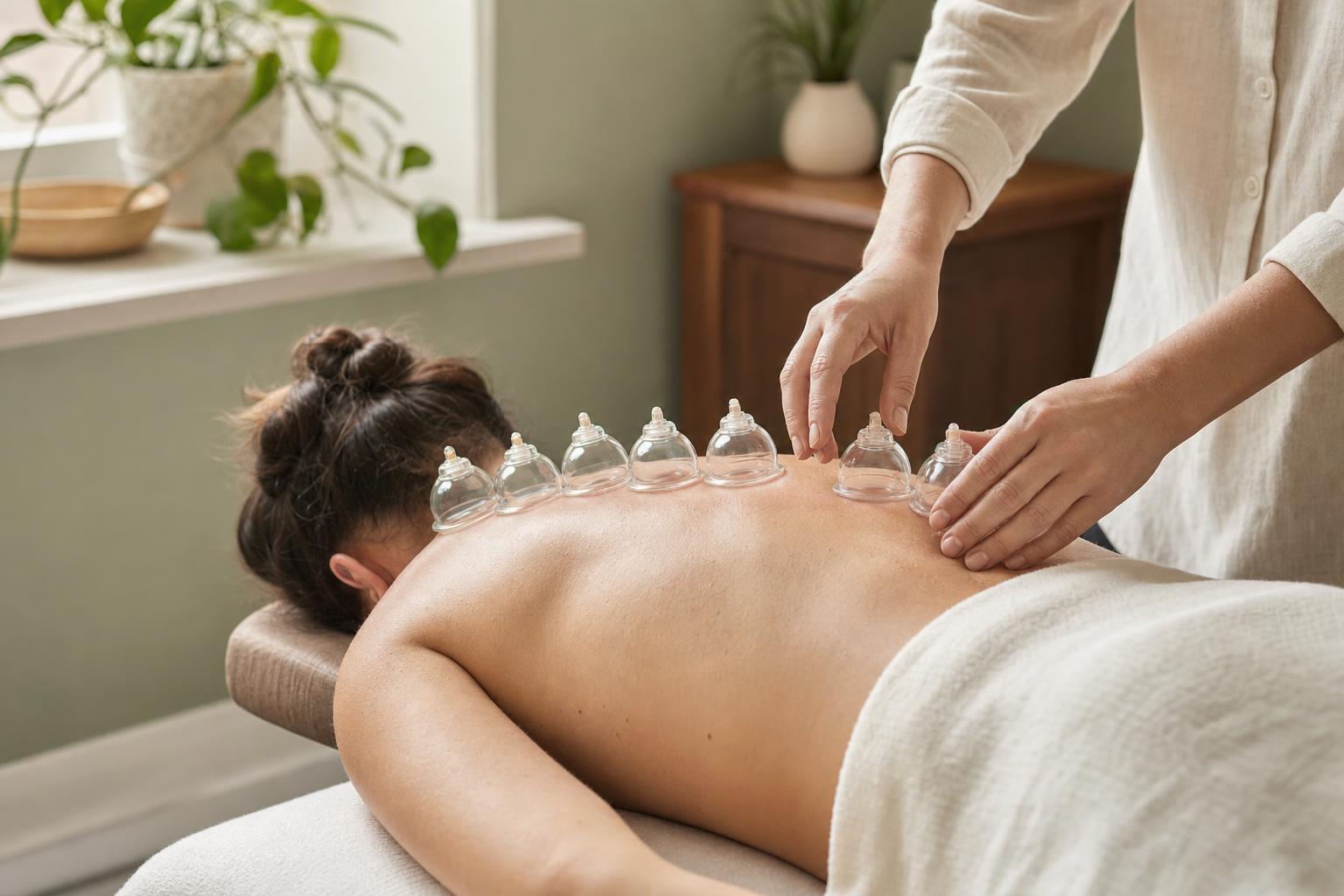
Cupping therapy back treatment in Tracy, CA

What Is Cupping Therapy?

Cupping is a manual therapy in which cups are placed on the skin over an area that needs treatment, creating gentle suction that draws blood toward the surface. That increased circulation loosens tight muscle, reduces tension, and supports the body’s own healing in tissue that has become stiff, congested, or chronically overworked.

The practice traces back roughly 5,000 years to traditional Chinese medicine, where it developed alongside acupressure. Traditionally the cups were glass or bamboo, warmed to create the vacuum. Modern practice more often uses silicone or plastic cups, which allow far more precise control over how much suction is applied and make the treatment considerably more comfortable.

Most manual therapy works by compression. You press into a muscle to release it. Cupping does the opposite, using decompression to lift the tissue and pull circulation into it. That distinction is why cupping frequently reaches areas that have not responded to massage or pressure-based work, particularly tissue that has been tight for months and has quietly lost the blood flow it needs to recover.

There are two approaches. Dry cupping uses suction alone and is by far the more common. Wet cupping involves controlled medicinal bleeding, an older technique still practiced in some traditions. If you have a preference or a question about either, raise it when you schedule.

What Cupping Helps With

Cupping is not a cure for a structural problem. A herniated disc needs decompression, and a worn joint needs the treatment a worn joint needs. What cupping does well is address the soft tissue layer, which is frequently where a surprising amount of day-to-day pain actually lives.

Patients most often come to us for cupping to address:

  • Chronic muscle tension, particularly through the neck, shoulders, and upper back where stress and desk work accumulate.
  • Persistent low back tightness, including the guarding that develops around an old injury and never fully lets go.
  • Inflammation and soreness in overworked tissue, which is why the treatment is popular with athletes.
  • Restricted range of motion caused by soft tissue restriction rather than joint or disc problems.
  • General stress and tension, since many patients find the treatment itself deeply relaxing.
  • Recovery support between training sessions or alongside a longer course of treatment for something else.

Athletes and people in physically demanding work tend to be the most enthusiastic about cupping, largely because their tissue takes a consistent beating and they notice the difference quickly.

About the Marks

The circular marks cupping can leave are the most recognizable thing about it, and they cause more unnecessary worry than anything else we treat, so it is worth explaining plainly.

They are not bruises. A bruise is what happens when tissue is struck and blood vessels rupture from impact. Cupping marks are the visible result of blood being drawn to the surface by suction, which is the intended effect rather than a side effect. They are generally painless to the touch.

Color varies from person to person and area to area, ranging from light pink to a deeper purple, and this typically reflects how congested that particular tissue was. They usually fade within three days to a week.

If you have an event coming up where you would rather not have visible marks, tell us. We can adjust the placement, reduce the suction, or use a moving technique that leaves considerably less behind.

How Cupping Works Here

Cupping is performed by Dr. Lina Yousofi, D.C., who has practiced since 1998 and has been treating patients in Tracy since 2004. Soft tissue therapy is a routine part of chiropractic practice, and cupping fits naturally within it.

You can book cupping on its own, and plenty of patients do exactly that, coming in for tight shoulders or a low back that has been locked up since a long weekend of yard work. It also works well as part of a broader plan. Muscles that have spent months guarding an irritated joint often need direct attention before an adjustment will hold, and cupping is one of the more effective ways to give them that.

A session is comfortable and unhurried. Cups are placed over the target area and left in position, or moved across the tissue depending on what we are trying to accomplish, and the whole thing typically takes 15 to 30 minutes. You may feel a strong pulling sensation, which should never be painful. Say something if it is, and the suction gets adjusted.

If cupping is not the right tool for what you are dealing with, we will tell you. Our office is at 227 East 11th Street, on 11th by Tracy High School, across from McDonald’s, and we see patients from throughout San Joaquin County including Mountain House, Lathrop, Manteca, and Stockton.

Request an Appointment

Tell us what’s bothering you — we’ll reach out to get you scheduled.


By submitting, you consent to be contacted by Birch Pain & Spine Group regarding scheduling. Msg & data rates may apply. Reply STOP to opt out.

You Might Also Need

Related Treatments

Regenerative Therapy

PRP and regenerative injections that repair damaged joint tissue and reduce inflammation.

Prolozone® Therapy

Ozone & nutrient injections that improve circulation and support connective-tissue repair.

Bracing & Orthotics

Unloader knee bracing and custom orthotics that protect the joint while it heals.

Frequently Asked Questions

Frequently Asked Questions

We are at 227 East 11th Street in Tracy, on 11th Street by Tracy High School, across from McDonald’s, sharing a parking lot with Center Appliances. Our hours are Monday through Thursday, 9am to 6pm.

Coverage varies and depends on how it fits within your overall plan of care. We offer complimentary insurance verification, so call (209) 830-1799 and we will find out what applies to you before you come in.

Drink water, keep moving gently, and avoid intense exercise or extreme heat, including hot tubs and saunas, for the rest of the day. Some patients feel pleasantly loose right away while others feel mildly tired, and both are normal. Keep the treated area covered if you will be in strong sun.

Yes, and it is a common pairing. Muscles that have been guarding an irritated joint often need direct attention before an adjustment will hold. Releasing that tissue first frequently makes the rest of the treatment more effective and longer lasting.

It suits most people, but not all. Certain skin conditions, bleeding disorders, blood-thinning medication, and pregnancy are among the reasons we may modify the treatment or recommend against it. Your provider reviews your history before treating, which is why we ask about medications and conditions even for something as straightforward as this.

For general tension, many patients feel a noticeable difference after one session. Chronic, long-standing tightness usually responds better to a series over several weeks. If cupping is part of a broader treatment plan, it gets scheduled alongside the rest of your care rather than separately.

No. A bruise comes from impact rupturing blood vessels. Cupping marks come from blood being drawn toward the surface by suction, which is the intended effect of the treatment. They are typically painless to the touch, which is one of the clearest ways to tell the difference.

Usually three days to a week, though it varies with the person and how congested the tissue was. Color ranges from light pink to deep purple. They fade on their own and generally require nothing from you. If you have an event coming up, mention it and we can adjust placement and intensity.

It should not. Most patients describe a firm pulling or tugging sensation that is unusual at first but not painful, and many find it genuinely relaxing. Suction is fully adjustable, so tell your provider if anything feels like too much and it gets dialed back immediately.

Your Health, Our Priority

Stop Living Around
Your Joint Pain

Schedule a consultation and let our team build a plan to get you
moving freely again — naturally.

Go to Top